Peter Levine
The Foundations of American Democracy
Peter Levine is a nationally recognized leader in civic learning and youth engagement. He serves as Associate Dean and Lincoln Filene Professor at the Jonathan M. Tisch College of Civic Life at Tufts University and is a co-chair of Educating for American Democracy.
In his SPI talk, Professor Levine helps students understand the structure and functions of government at the federal, state, and local levels, and he highlights periods when democratic principles were tested.
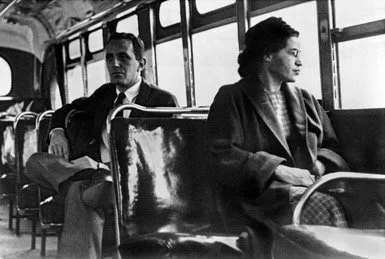
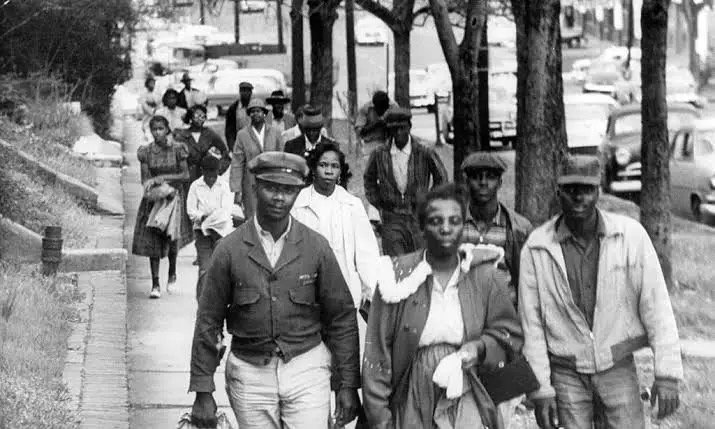
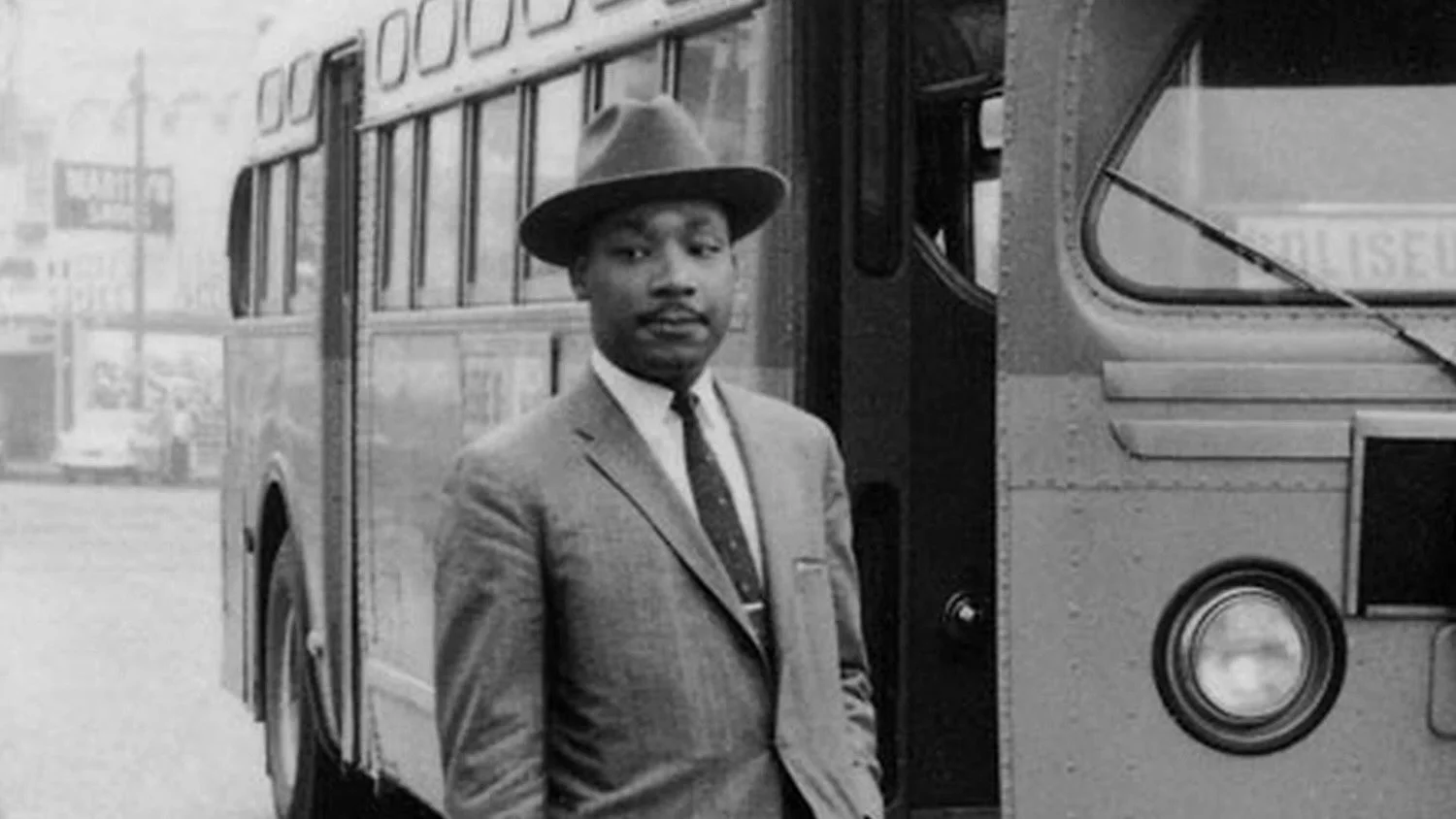
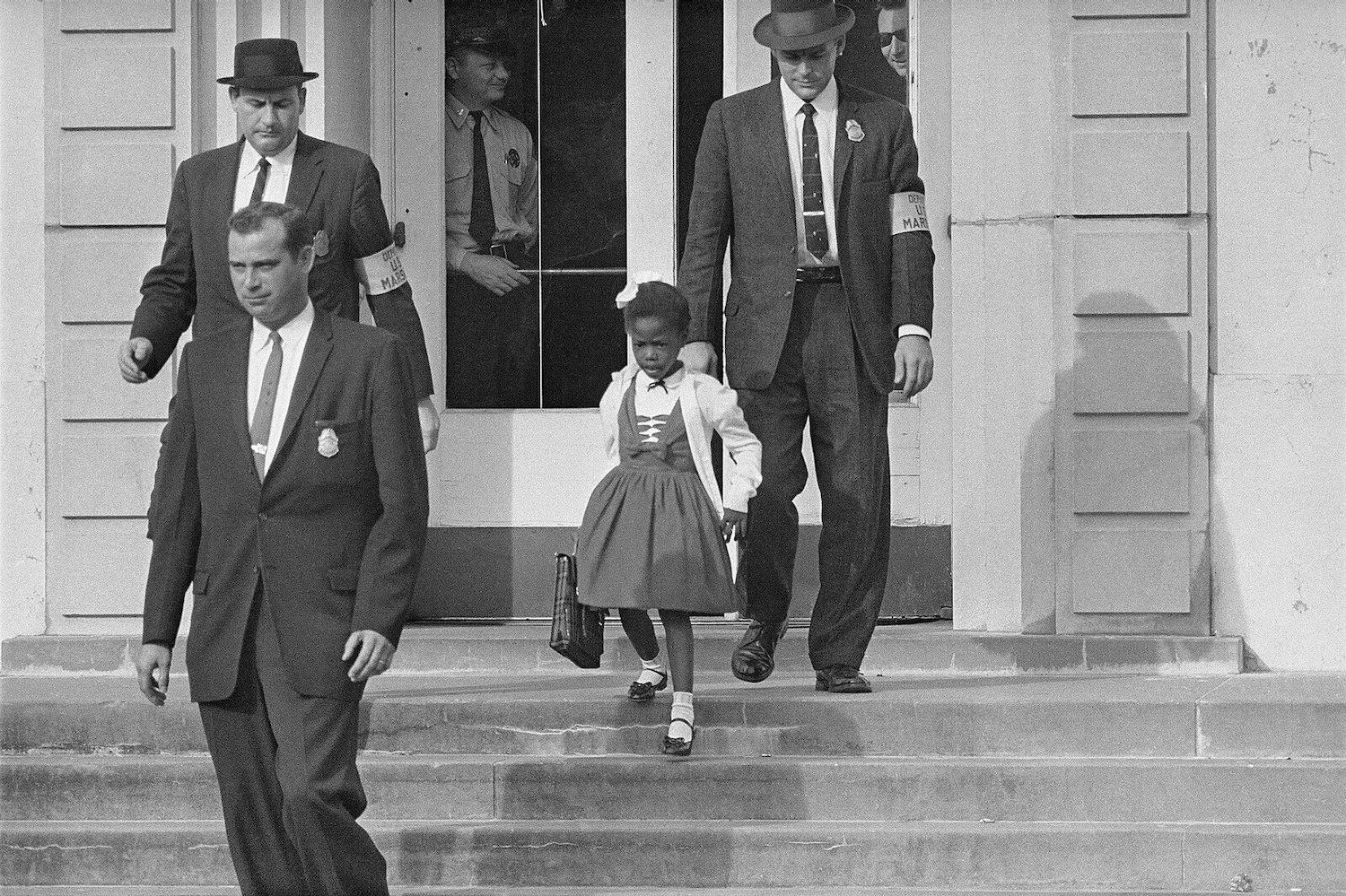
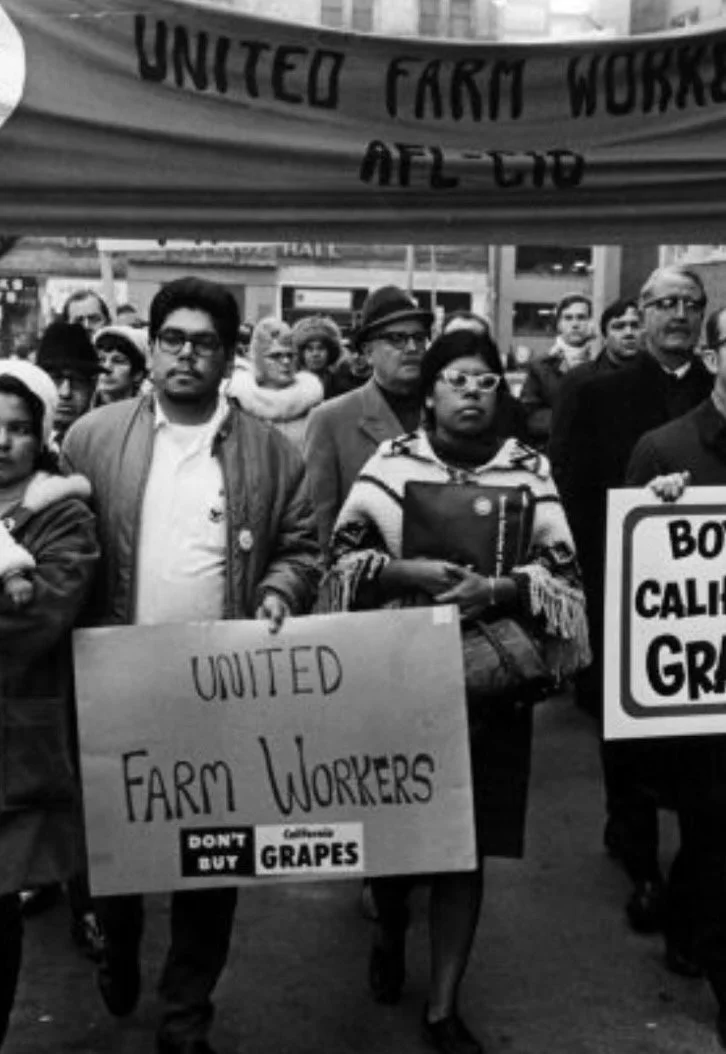
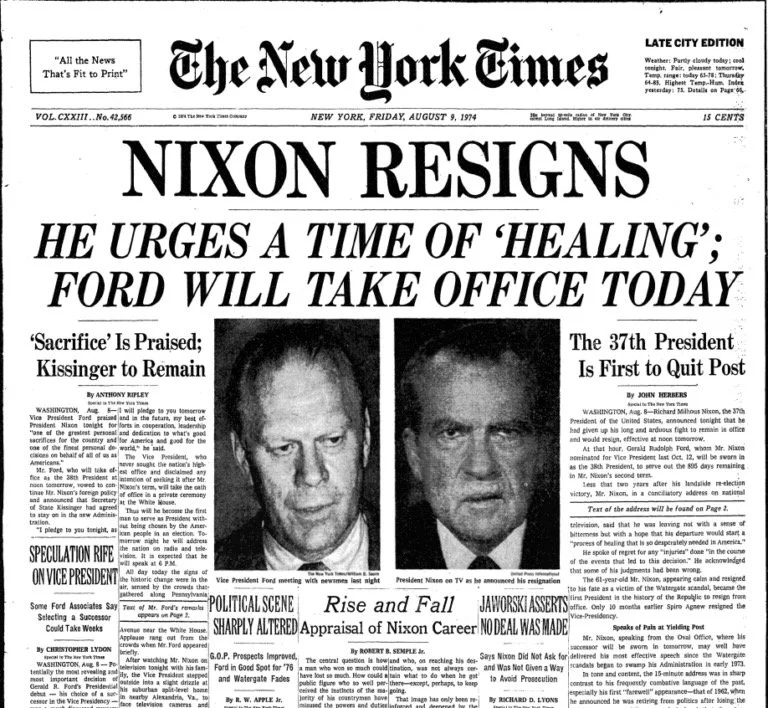
He discusses landmark cases and civic turning points—including the Montgomery Bus Boycott, Brown v. Board of Education, the United Farm Workers boycott, and Watergate—to illustrate how people came together to reinforce core democratic principles of equality, justice, and the rule of law.
Professor Levine also examines the “nuts-and-bolts” skills young people need to participate effectively in civic life—how communities organize, how coalitions form, and how citizens can work together to effect change. He also highlights the skills that support meaningful participation, including listening, debating, respecting opposing viewpoints, and learning from history.
Images (l-r): Rosa Parks on a public bus, Montgomery, Alabama; Black residents of Montgomery walking to work during the bus boycott; Martin Luther King, Jr., standing in front of a bus at the conclusion of the bus boycott; Six-year-old Ruby Bridges being escorted by U.S. marshals on her first day at William Frantz Elementary School in New Orleans, 1960; Farmworkers united in the Delano Grape Strike to demand fair wages and dignity on the job; Front page of The New York Times from Friday, August 9, 1974, announcing President Nixon's resignation.