
Indigenous History in New Hampshire
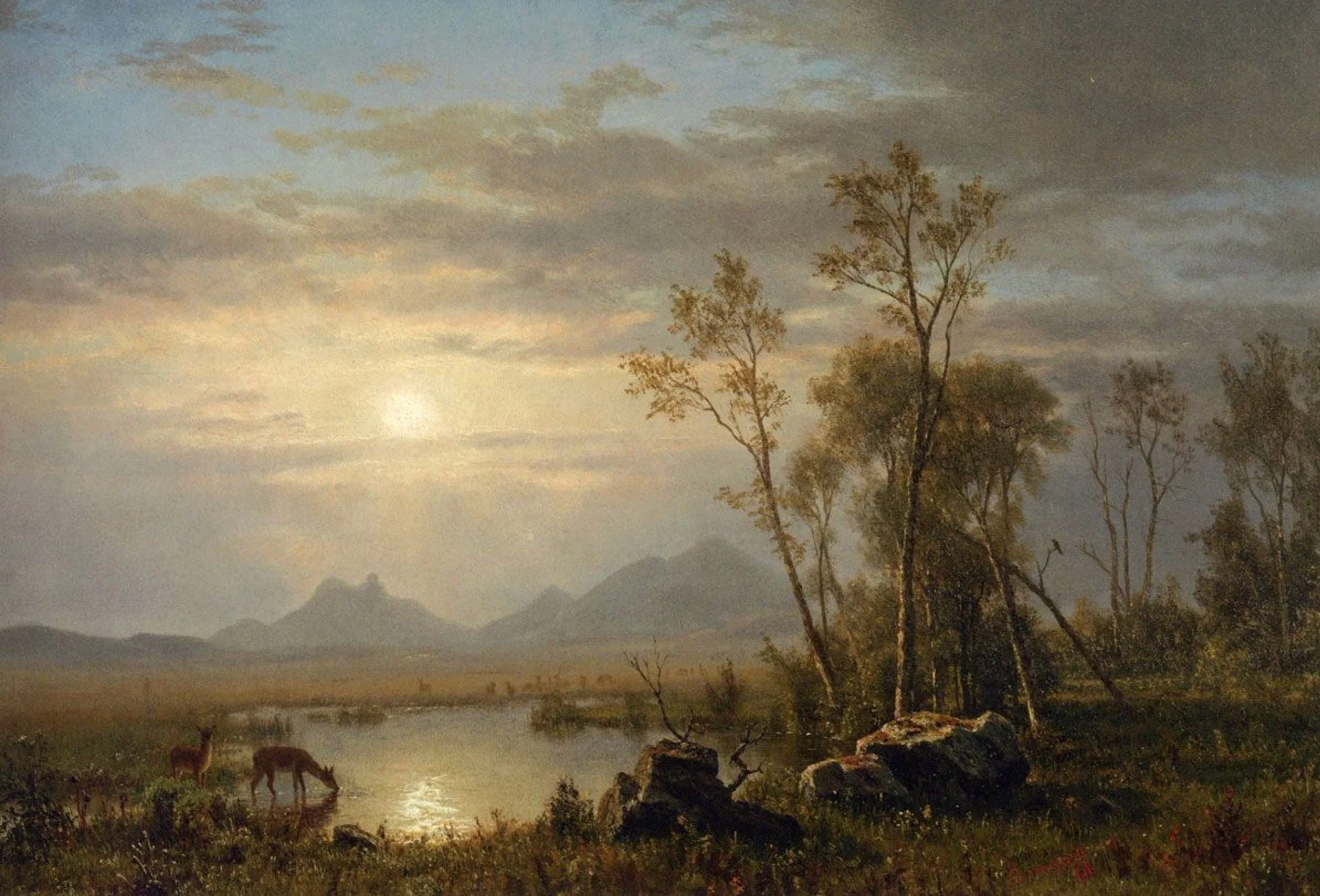
A conversation on Deep Time, oral tradition, and the archaeological record
Now in post-production.
SPI will moderate a roundtable conversation with archaeologist and anthropologist Meghan Howey and Abenaki elders Paul and Denise Pouliot as part of Story Preservation's New Hampshire History collection. Together, we will examine New Hampshire’s earliest history through both the archaeological record and Indigenous knowledge. The finished recording will be available in the New Year.
Our conversation will focus on Deep Time, meaning the thousands of years in the state’s history prior to European settlement, and the lives of Indigenous people as understood through both the archaeological record and the Indigenous knowledge, stories, and oral traditions carried forward within Abenaki communities.
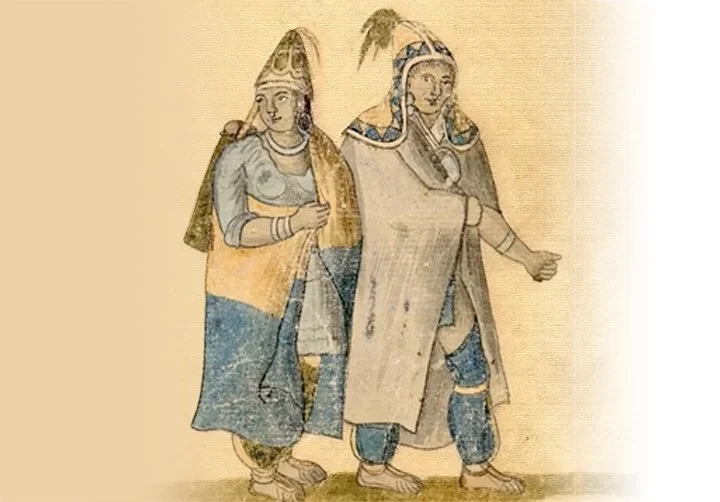
About the Participants
Dr. Meghan Howey is an archaeologist and anthropologist at the University of New Hampshire whose work explores how past communities lived on and interpreted the landscapes around them. She studies the long arc of human presence in the region and how the land itself preserves traces of movement, meaning, and cultural change.
Paul and Denise Pouliot serve as Abenaki tradition bearers and leaders of the Cowasuck Band of the Pennacook Abenaki People. They share historical, cultural, and linguistic knowledge that has been carried forward within Abenaki communities across thousands of years. Their work focuses on cultural preservation, education, and the reestablishment of Indigenous history as a central part of New Hampshire’s story.
Together, their perspectives offer a fuller understanding of New Hampshire’s earliest history and the depth and continuity of Indigenous presence in the region.
Next in the Series
Following this session, SPI will record a conversation with Alexandra (Alix) Martin, an anthropologist and historical archaeologist with Strawbery Banke Museum and the University of New Hampshire. Her work examines the early periods of European settlement in New Hampshire and the complex interactions between settlers and the Indigenous communities whose homelands they entered. She adds important context to how cultural landscapes changed over time and how archaeology helps us understand those transitions.
Off to a running start for the new year!!
About Story Preservation
Our Mission: Story Preservation Initiative believes in the transformative power of story to connect people around our common humanity and create a better future.
Our Work: We are a leading producer and online distributor of original, content-rich audio-based narratives for K-12 students. SPI stories are the raw materials of history, roadmaps to scientific discovery, and windows to the minds of artists and skilled tradesmen and women.
What We Achieve: SPI brings listeners into personal contact with extraordinary people whose stories engage their hearts and minds, imparting content knowledge and fostering curiosity, creativity, and critical thinking as they open doors to possible career paths in professions associated with the arts, sciences, humanities, and skilled trades. We are fully open-source.
When educating the minds of our youth, we must not forget to educate their hearts.
Please consider making a tax-free donation to SPI. We are an open-source educational nonprofit dependent upon the generosity of contributors. Every donation made helps us keep the stories and projects coming.