
Where are the Monarchs?
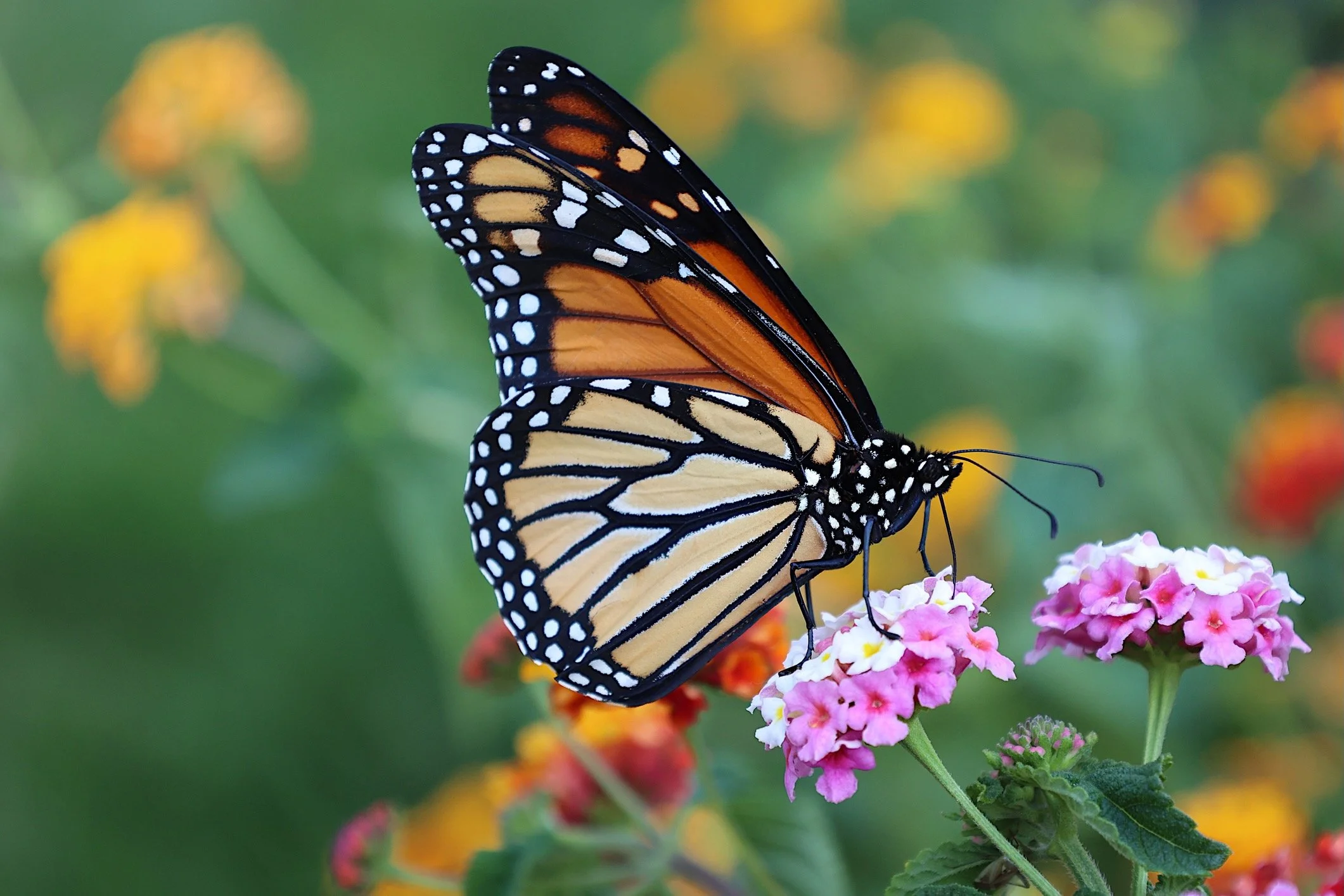
Why their numbers are declining, and how we can all help.
An SPI talk with conservation biologist Karen Oberhauser.
Monarchs should begin arriving this summer, but whether they appear in strong numbers varies from year to year and overall reflects a longer-term pattern of population decline.
For more than four decades, Dr. Oberhauser has helped illuminate the factors shaping these patterns. Her work examines monarch ecology, from habitat availability and management to the growing risks posed by climate change and pest control practices.
In her recording, available here, Dr. Oberhauser outlines actions we can all take to support monarch populations. It’s not only easy, but also fun.
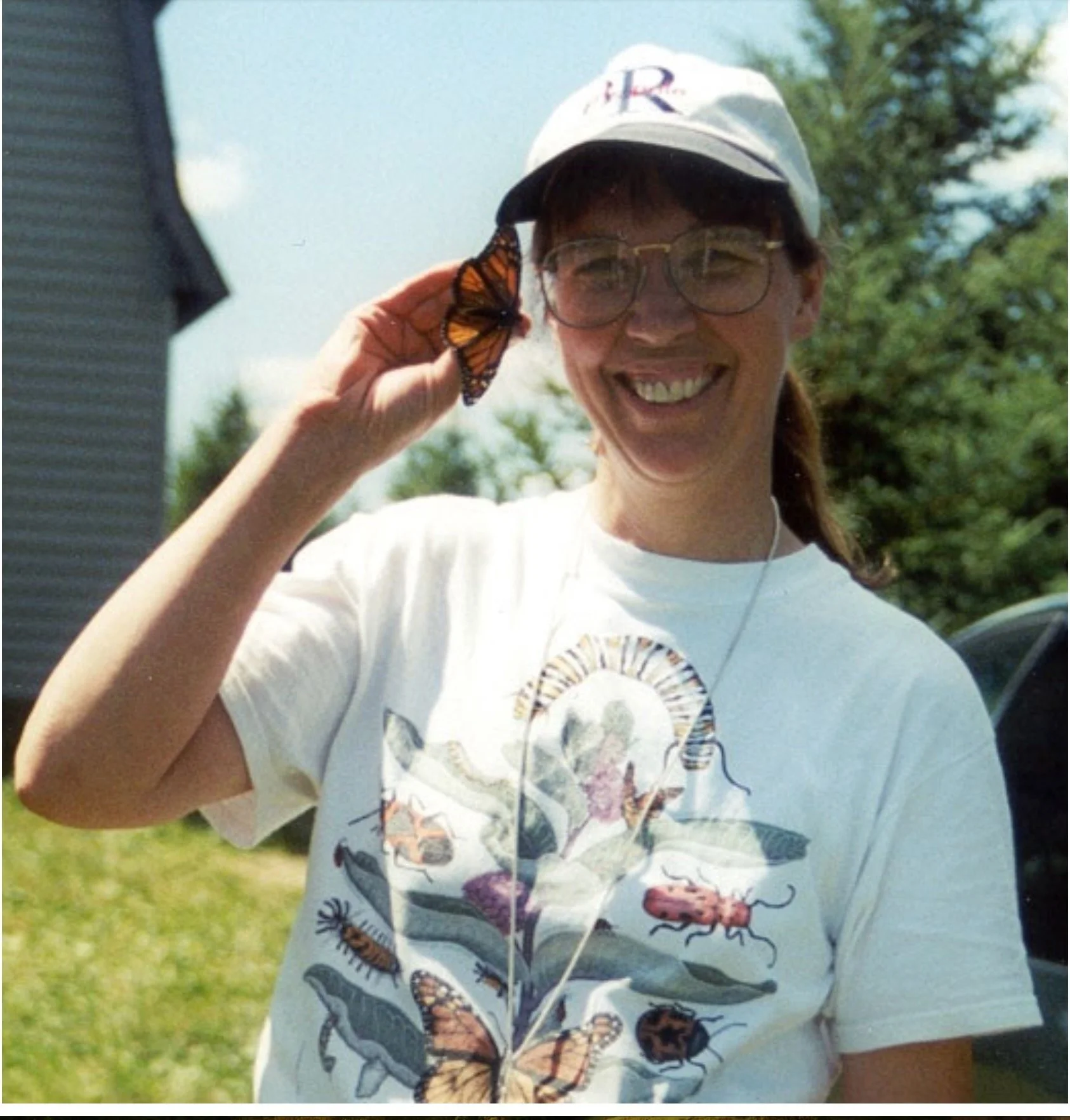
Did you know that on a leisurely fly-by, a monarch can spot a single milkweed plant growing in a crack in the sidewalk and use it to lay eggs? Imagine what could happen if you planted - or protected - milkweed in a field or garden.
Dr. Oberhauser has a strong interest in engaging students and teachers in inquiry-based science and in promoting a citizenry with a high degree of scientific and environmental literacy. She developed a comprehensive science education program, Monarchs and More, which includes:
Courses and workshops for teachers
Opportunities for young people to engage in research and share their findings
A nationwide citizen science project: the Monarch Larva Monitoring Project
Curriculum development
Passionate about conserving the world’s biodiversity, Dr. Oberhauser believes that the connections her projects build—between monarchs, people, and the natural world—can inspire real conservation action. She chairs the Steering Committee of the Monarch Joint Venture, is an officer and founding member of the Monarch Butterfly Fund, and is active in both state and national pollinator conservation and citizen science organizations.
Dr. Oberhauser holds a Bachelor of Arts in Biology from Harvard College, a Bachelor of Science in Natural Science Education from the University of Wisconsin–Madison, and a Ph.D. in Ecology and Behavioral Biology from the University of Minnesota.
About Story Preservation
Our Mission: Story Preservation Initiative believes in the transformative power of story to connect people around our common humanity and create a better future.
Our Work: We are a leading producer and online distributor of original, content-rich audio-based narratives for K-12 students. SPI stories are the raw materials of history, roadmaps to scientific discovery, and windows to the minds of artists and skilled tradesmen and women.
What We Achieve: SPI brings listeners into personal contact with extraordinary people whose stories engage their hearts and minds, imparting content knowledge and fostering curiosity, creativity, and critical thinking as they open doors to possible career paths in professions associated with the arts, sciences, humanities, and skilled trades. We are fully open-source.
When educating the minds of our youth, we must not forget to educate their hearts.
Please consider making a tax-free donation to SPI. We are an open-source educational nonprofit dependent upon the generosity of contributors. Every donation made helps us keep the stories and projects coming.