
AI: A Tool for Discovery
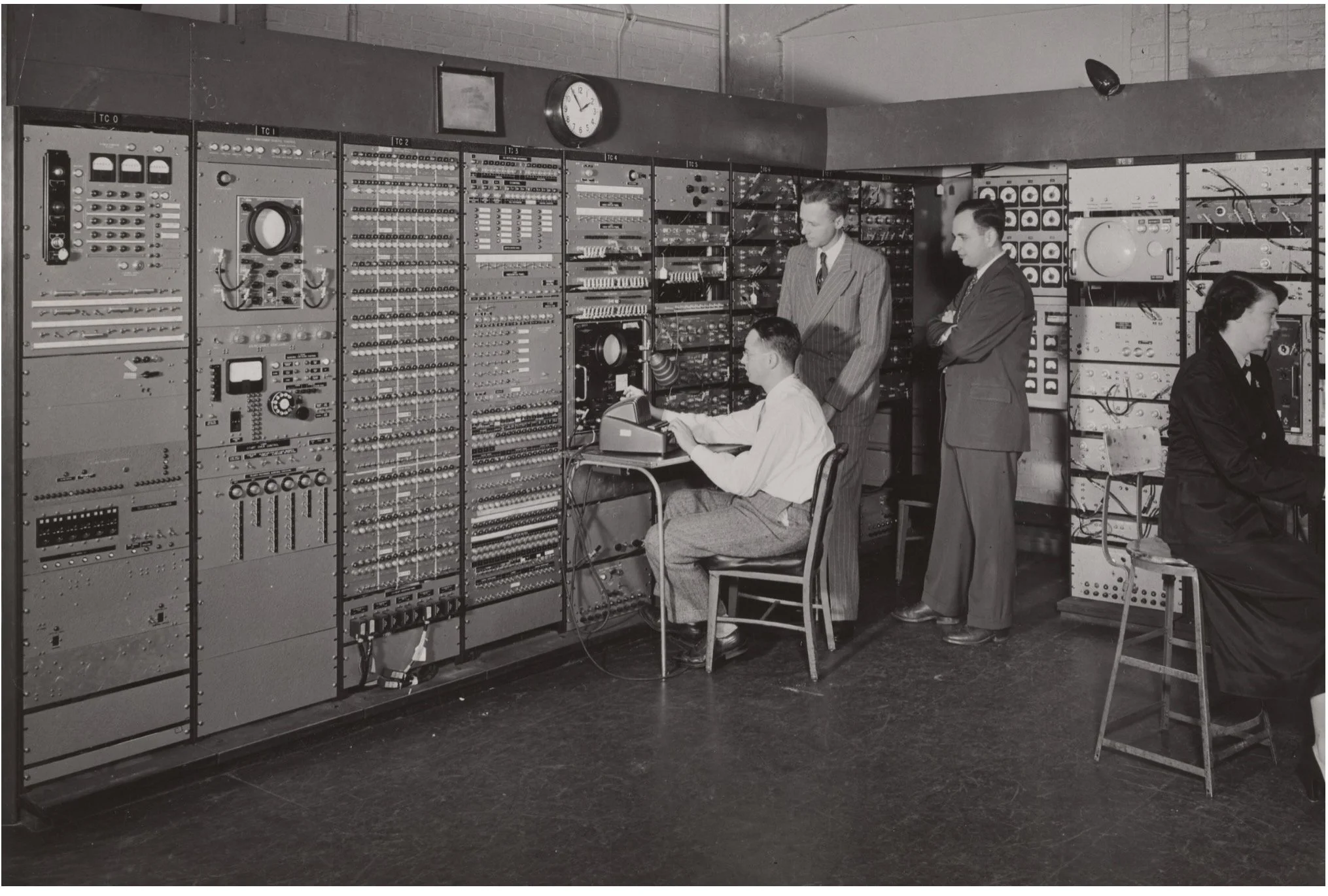
Jay W. Forrester with Whirlwind Computer, 1951, Massachusetts Institute of Technology. Used with permission of the MIT Musuem
Medicine. Climate. Nature.
Artificial intelligence can seem startlingly new, yet its roots reach back more than three-quarters of a century to the early development of computing. And while AI has become part of our everyday conversation, it is fair to say that most of us don't fully understand what it is, how it works, or what it may make possible.
Story Preservation Initiative is developing a series designed to help students and others better understand AI through the people who helped develop it and the scientists now putting it to work. Through their stories, we will explore what artificial intelligence is, how it evolved, and how it is being used to advance discovery.
Regina Barzilay: Human Health

Regina Barzilay began her career in natural language processing. Following her own diagnosis with breast cancer, she began to question why the computational tools she knew so well were not being used more extensively in medicine.
That experience informed a significant shift in her research. She went on to develop Mirai, an AI model that can predict a patient’s risk of developing breast cancer up to FIVE years before it would be detected through traditional diagnosis.
Her work has since expanded to Sybil, an AI model designed to predict the risk of developing lung cancer years before symptoms may appear. Her research also includes personalized cancer treatment and AI-assisted discovery of drugs to combat drug-resistant bacteria.
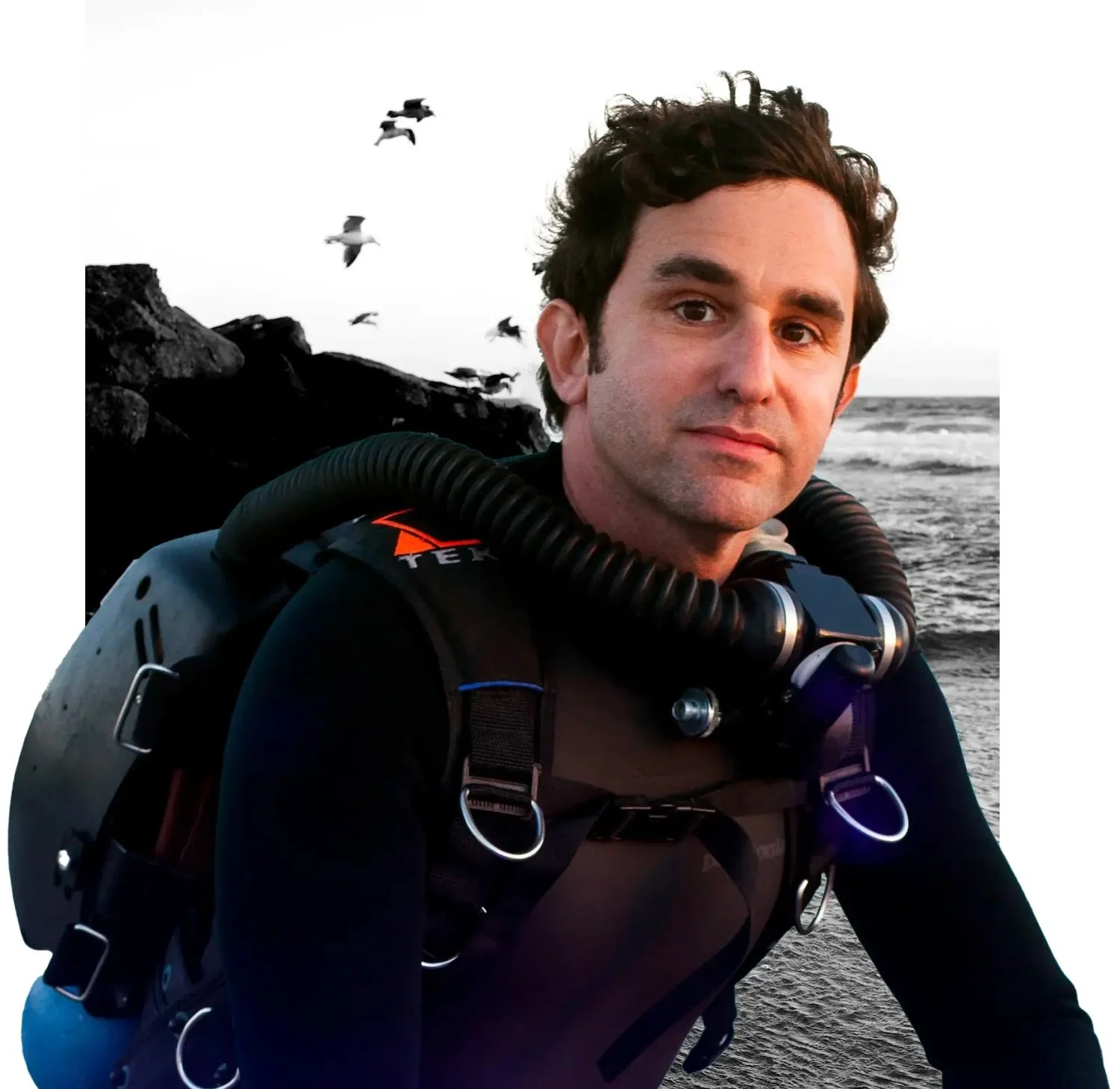
David Gruber: Animal Communication
Marine biologist and National Geographic Explorer David Gruber came to AI through his fascination with life beneath the ocean’s surface and the development of technologies that allow us to perceive what human senses alone cannot.
That trajectory helped lead to Project CETI, an interdisciplinary effort using artificial intelligence and other technologies to study sperm whale communication and search for patterns in a complex communication system humans have never been able to understand.
David Rolnick: Climate Change
This fall, SPI will speak with computer scientist David Rolnick, whose work explores how machine learning can be used to understand and address climate change.
Our conversation will explore his path into this work and what he believes artificial intelligence can, and cannot, contribute to one of the defining challenges of our time.
Coming this fall.
And we are just getting started. Another upcoming SPI conversation will take us back to the foundations of artificial intelligence, with one of the people who helped shape the field, exploring how AI developed, what it actually is, and how we arrived at this moment.
Medicine. Climate. Nature. And the story of AI itself.