
Democracy Is Something We Practice

A conversation with Peter Levine
Democracy is not something we simply inherit. Each generation must learn, practice, and help sustain it.
But how do we learn to participate effectively in a democracy? Beyond learning the facts of government and the events of history lies a deeper lesson: democracy depends on people who know how to work together, navigate disagreement, and contribute to civic life beginning in their own communities and extending to the local, state, and national levels.
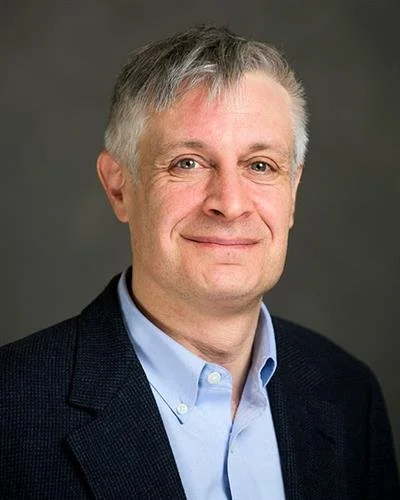
Peter Levine, professor of Citizenship and Public Affairs at Tufts University and Chair of the Steering Committee for Educating for American Democracy, explores these ideas in a conversation with Story Preservation Initiative.
For young people, learning about democracy means understanding not only how government works, but how people come together to address challenges and create change. History reveals the power of organizing, debate, coalition-building, and collective action.
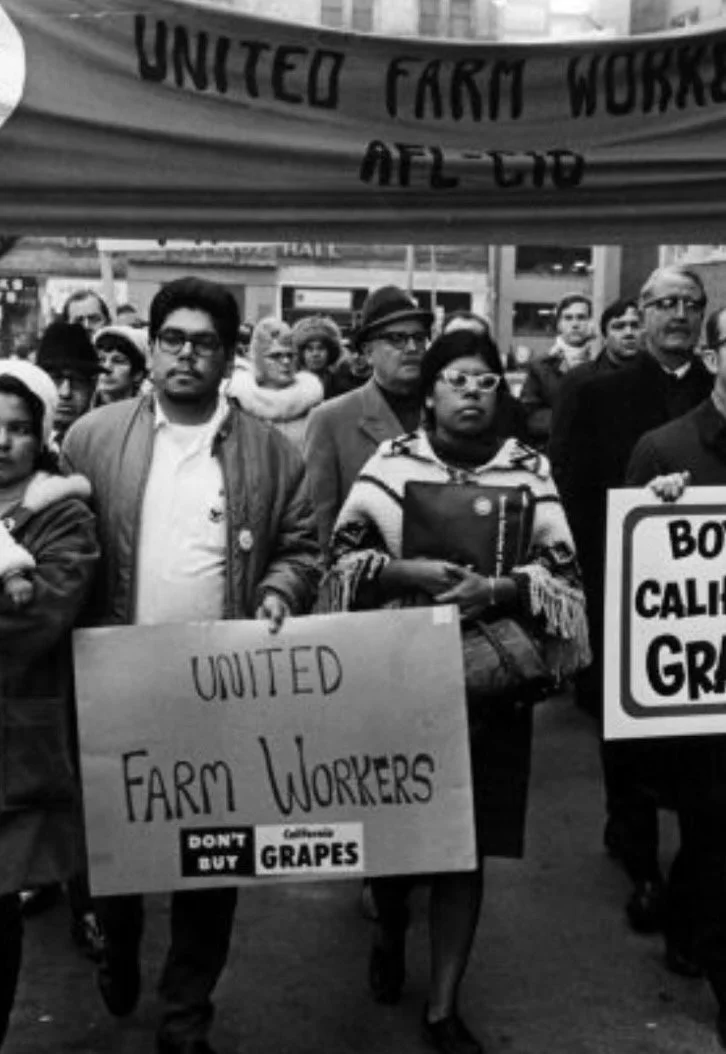
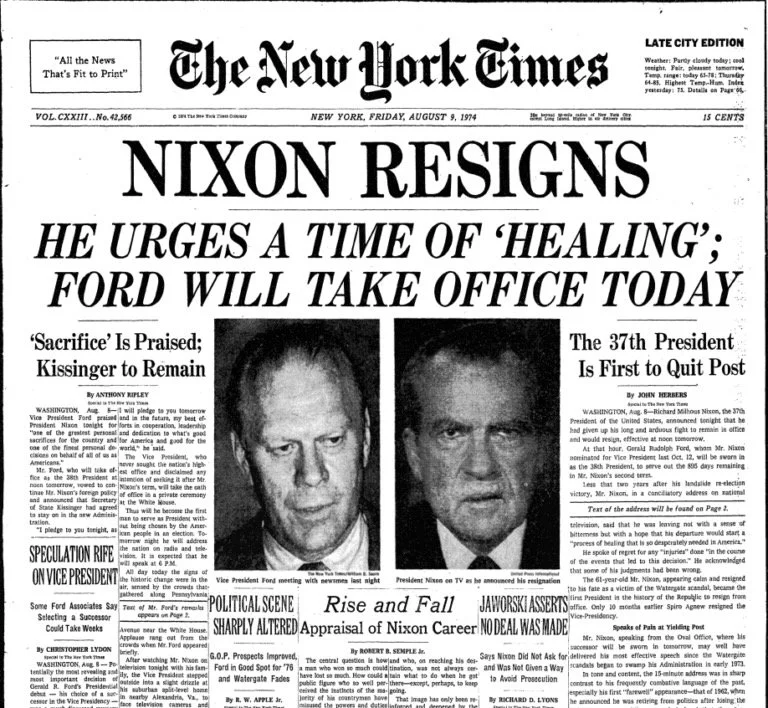
Drawing on the Montgomery Bus Boycott, Brown v. Board of Education, the United Farm Workers boycott, and Watergate, Professor Levine examines different moments when democratic principles were tested and shows how change depends on people who are prepared to participate.
“Citizenship involves learning and practicing a set of skills,” Professor Levine explains. Those skills include listening to different perspectives, speaking persuasively, organizing with others, and finding ways to work through disagreement.
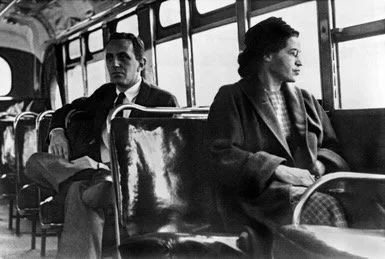
Rosa Parks on a public bus, Montgomery, Alabama
The Montgomery Bus Boycott, for example, is often remembered through the courage of Rosa Parks. Professor Levine helps students see the larger story: Parks was an experienced organizer, and the movement succeeded because a network of people was prepared to act. Change did not happen automatically. People debated, planned, and worked together to determine a path forward.
Across these examples, Professor Levine highlights an important lesson: there is no single right way to participate in civic life. Some people organize communities. Others work through the courts, journalism, government institutions, or everyday choices that contribute to broader movements.
For young people, this may be the most important lesson: civic participation does not begin when someone reaches voting age, nor does it require becoming a public figure.
“You don't have to be a hero,” Professor Levine reminds students. Meaningful change depends on many people taking on many different roles.
Listen to Professor Levine’s SPI recording here.
Learning prompts developed by SPI and available on Professor Levine’s SPI page include:
Learning From the Past: Rethinking the Montgomery Bus Boycott
When Democratic Principles Are Tested
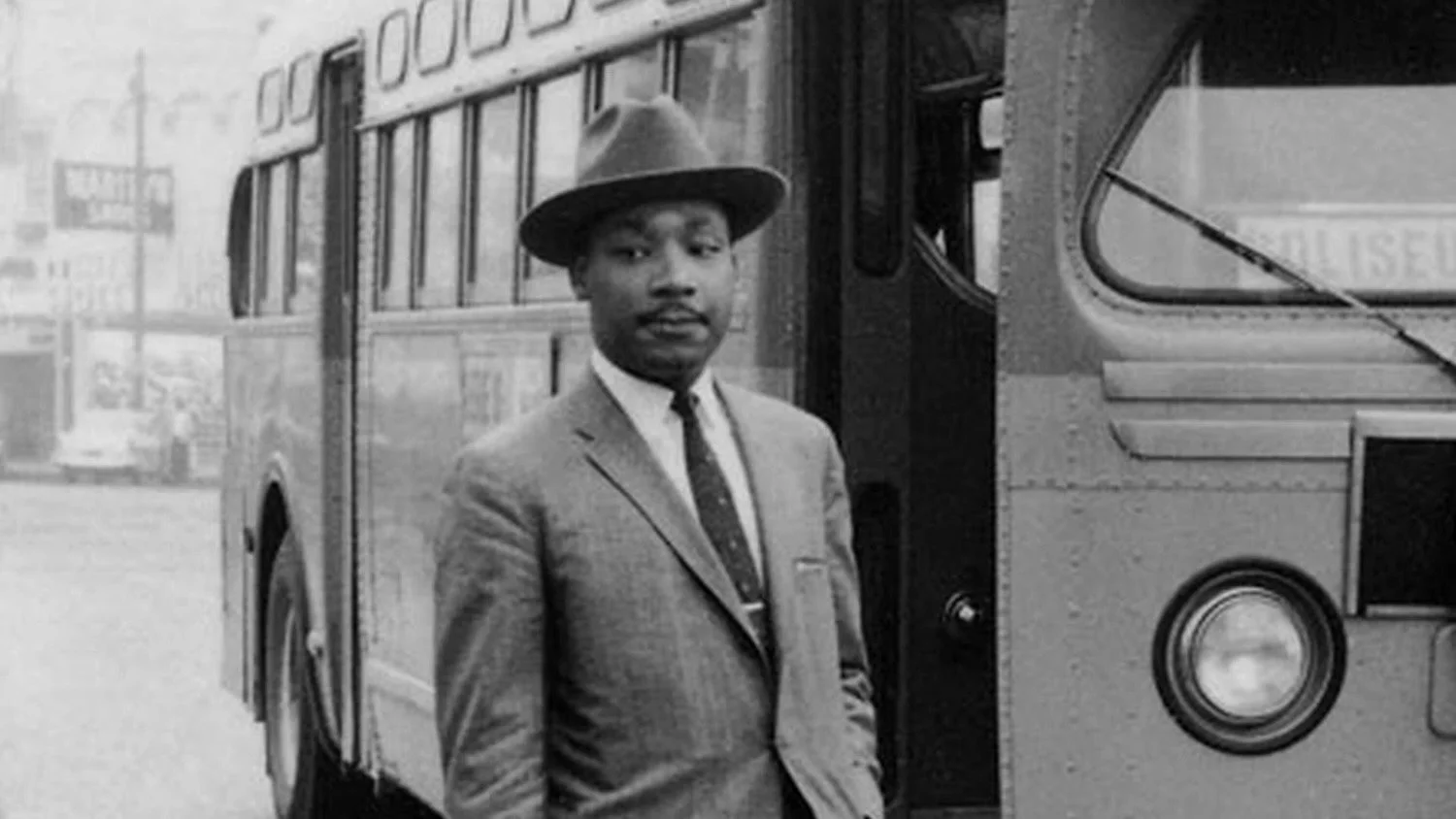
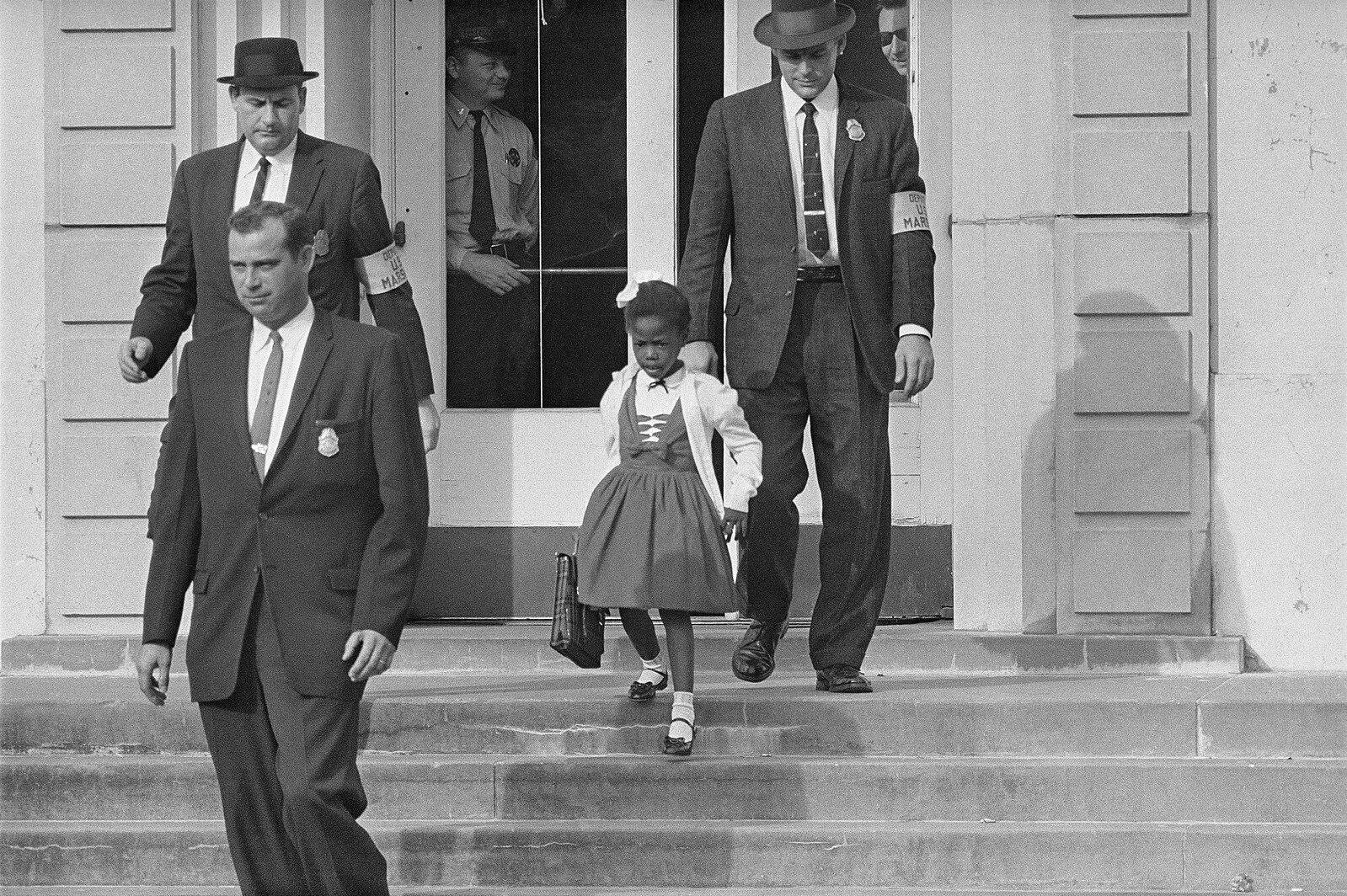
Images (l-r): Martin Luther King, Jr., standing in front of a bus at the conclusion of the bus boycott; Six-year-old Ruby Bridges being escorted by U.S. marshals on her first day at William Frantz Elementary School in New Orleans, 1960; Farmworkers united in the Delano Grape Strike to demand fair wages and dignity on the job; Front page of The New York Times from Friday, August 9, 1974, announcing President Nixon's resignation.
About Story Preservation
Our Mission: Story Preservation Initiative believes in the transformative power of story to connect people around our common humanity and create a better future.
Our Work: We are a leading producer and online distributor of original, content-rich audio-based narratives for K-12 students. SPI stories are the raw materials of history, roadmaps to scientific discovery, and windows to the minds of artists and skilled tradesmen and women.
What We Achieve: SPI brings listeners into personal contact with extraordinary people whose stories engage their hearts and minds, imparting content knowledge and fostering curiosity, creativity, and critical thinking as they open doors to possible career paths in professions associated with the arts, sciences, humanities, and skilled trades. We are fully open-source.
When educating the minds of our youth, we must not forget to educate their hearts.
Please consider making a tax-free donation to SPI. We are an open-source educational nonprofit dependent upon the generosity of contributors. Every donation made helps us keep the stories and projects coming.