
Looking to Nature

Snowy owls fly with remarkable efficiency and near-silent wings—a perfect example of nature’s extraordinary design.
Biomimicry with Dayna Baumeister
Biomimicry is the practice of studying nature’s designs and applying those ideas to human challenges. The field asks a powerful question: What can humans learn from nature?

Dayna Baumeister, co-founder of Biomimicry 3.8 and Director of the Biomimicry Center at Arizona State University, has spent her career exploring that idea. When she was young, she was troubled by how disconnected people seemed from the natural world and wondered why we weren’t learning more from nature’s ingenuity.
Nature often solves problems in remarkable ways. Velcro, for example, was inspired by burrs that stick to animal fur and clothing using tiny hook-shaped structures. Engineers studied this natural design and created the now-familiar fastener used in clothing, shoes, and equipment.
Listen to the Recording
In her Story Preservation Initiative recording, Dayna explains how studying the natural world can lead to new ideas in science, engineering, and design - and she shares some of biomimicry’s astounding success stories.
▶ Listen to SPI’s talk with Dayna Baumeister here
Teacher Prompt Questions
• What is biomimicry?
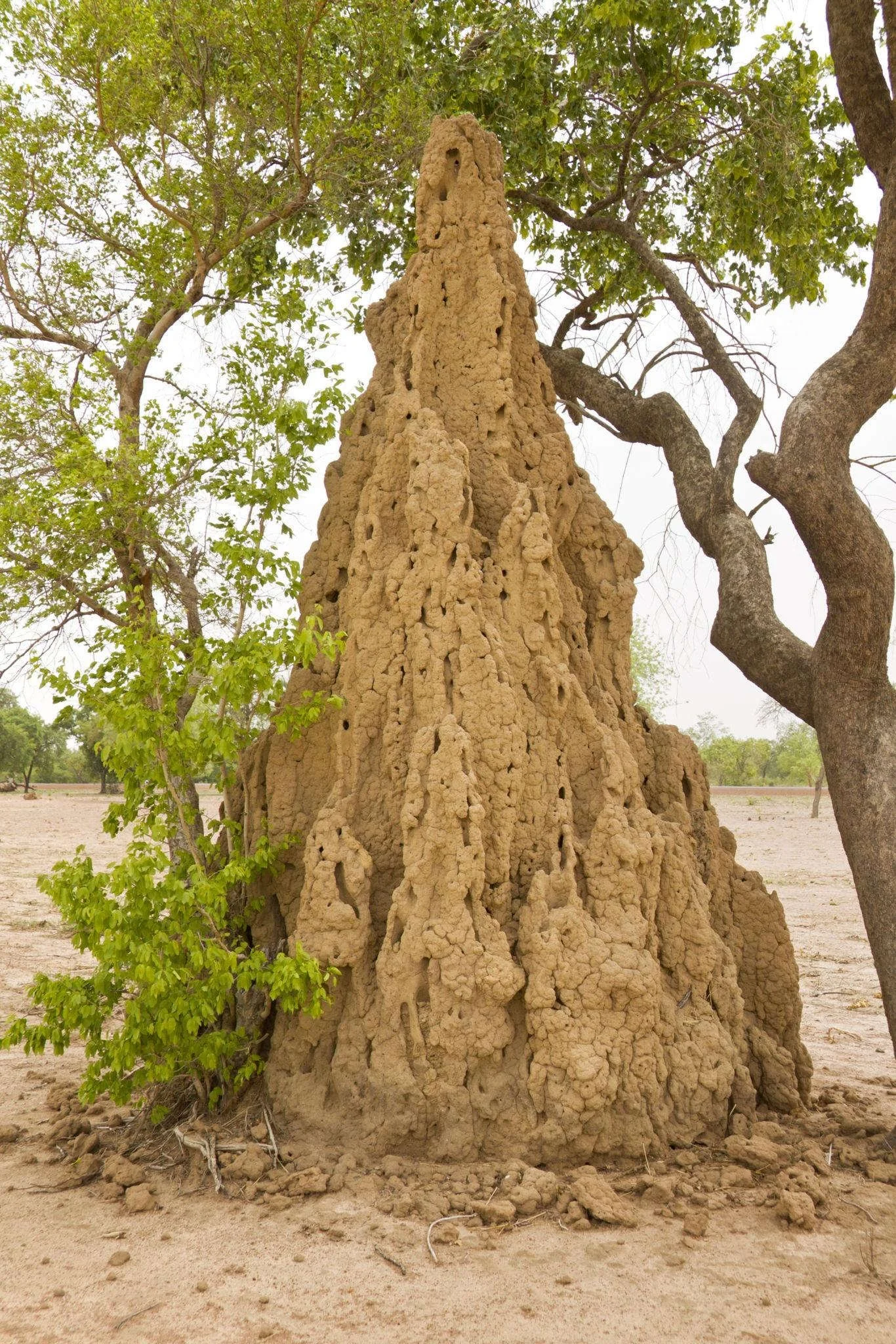
• How did studying termite mounds inspire energy-efficient building design?
• What examples of design or adaptation can students observe in their own environment?
• Why might studying nature help humans design more sustainable technologies?
Nature has been solving problems for 3.8 billion years. What might we discover if we looked more closely?
Below:
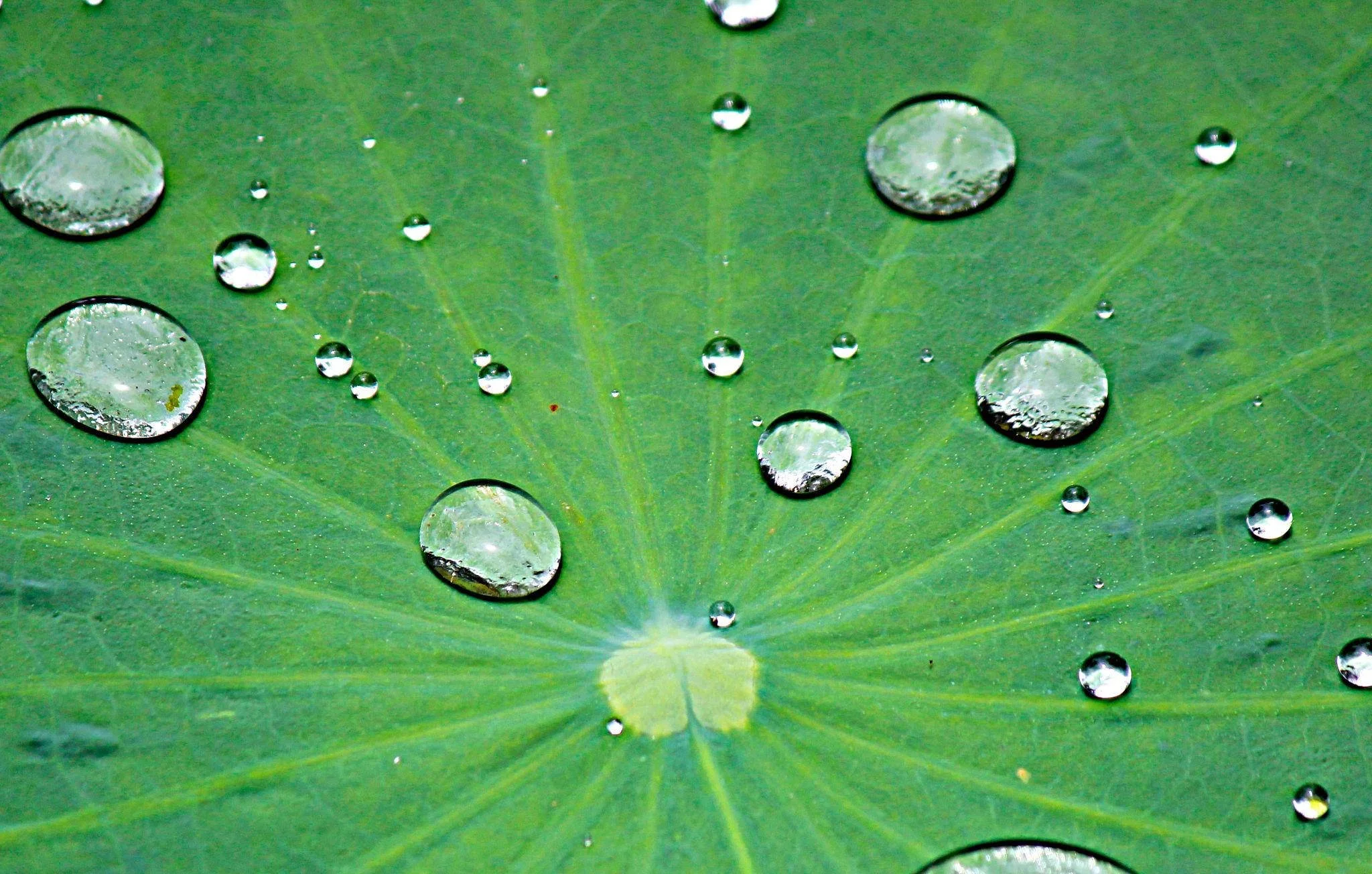
The lotus leaf's surface repels water and dirt, inspiring self-cleaning surfaces in paints, coatings, and materials.
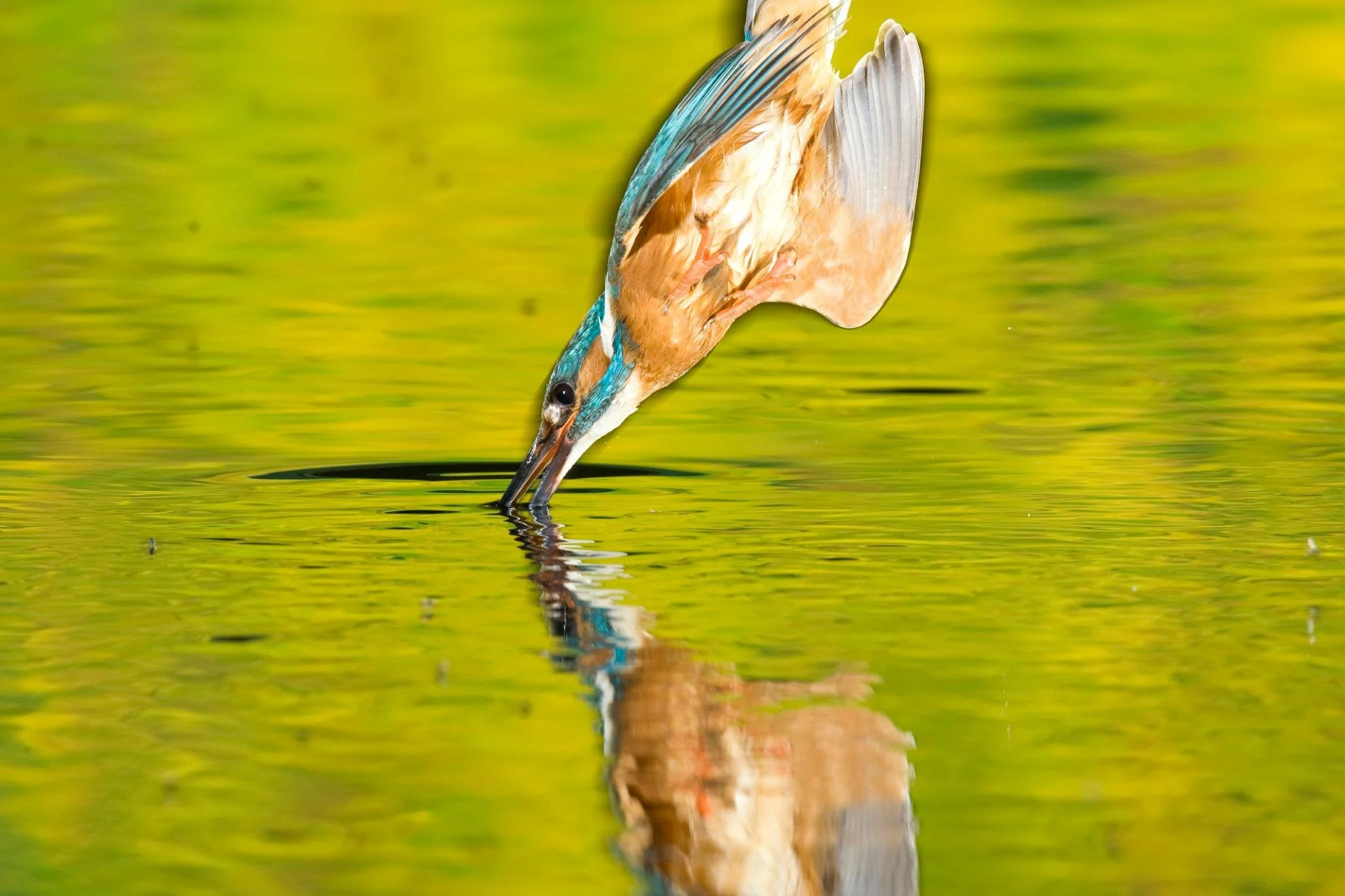
The kingfisher’s beak inspired engineers to redesign the nose of Japan’s high-speed train, reducing noise and improving efficiency.
Termite mounds regulate airflow and temperature, inspiring energy-efficient building design.
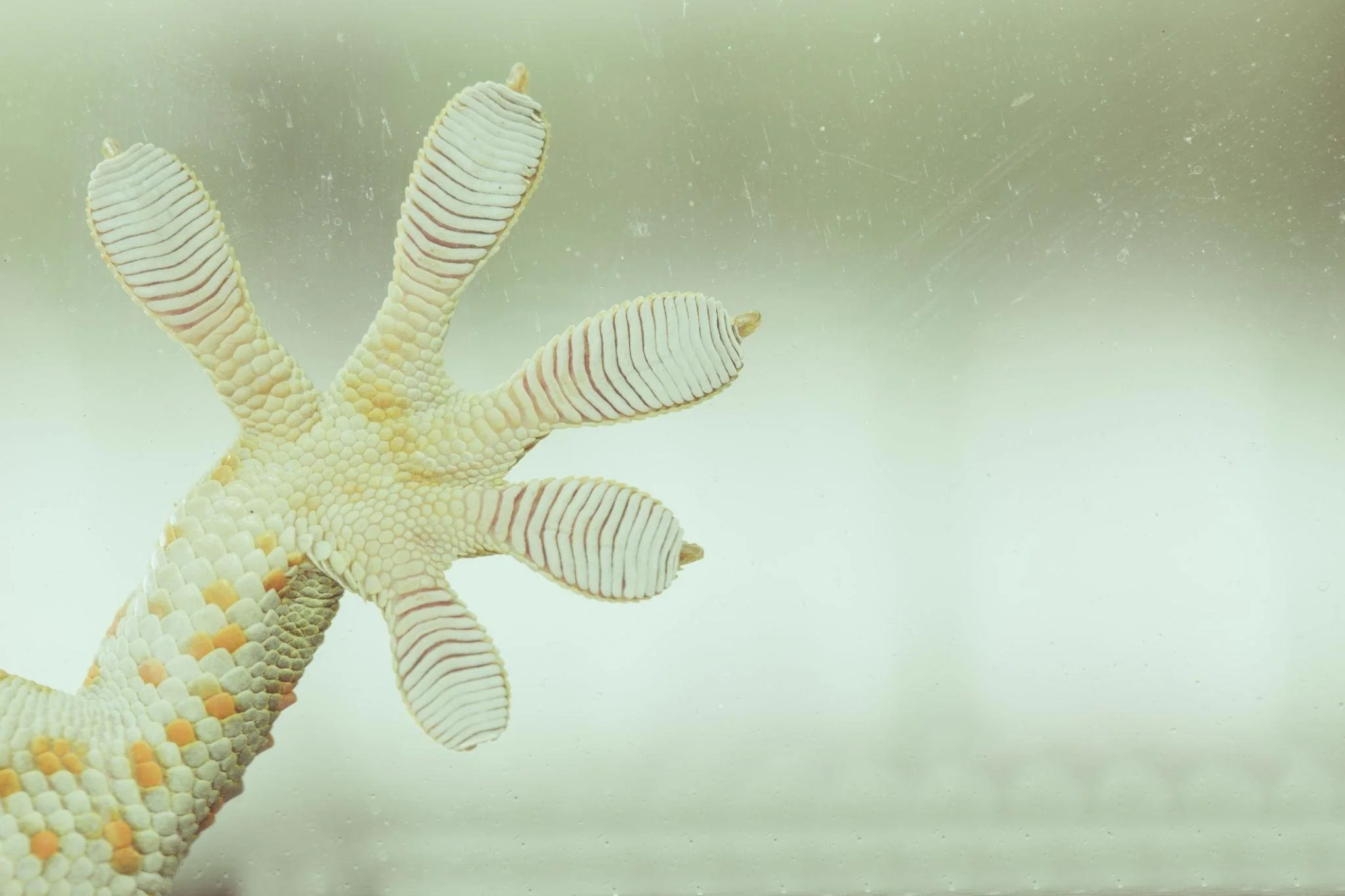
Tiny hairs on a gecko’s feet allow it to cling to smooth surfaces, inspiring new adhesive technologies.
About Story Preservation
Our Mission: Story Preservation Initiative believes in the transformative power of story to connect people around our common humanity and create a better future.
Our Work: We are a leading producer and online distributor of original, content-rich audio-based narratives for K-12 students. SPI stories are the raw materials of history, roadmaps to scientific discovery, and windows to the minds of artists and skilled tradesmen and women.
What We Achieve: SPI brings listeners into personal contact with extraordinary people whose stories engage their hearts and minds, imparting content knowledge and fostering curiosity, creativity, and critical thinking as they open doors to possible career paths in professions associated with the arts, sciences, humanities, and skilled trades. We are fully open-source.
When educating the minds of our youth, we must not forget to educate their hearts.
Please consider making a tax-free donation to SPI. We are an open-source educational nonprofit dependent upon the generosity of contributors. Every donation made helps us keep the stories and projects coming.