
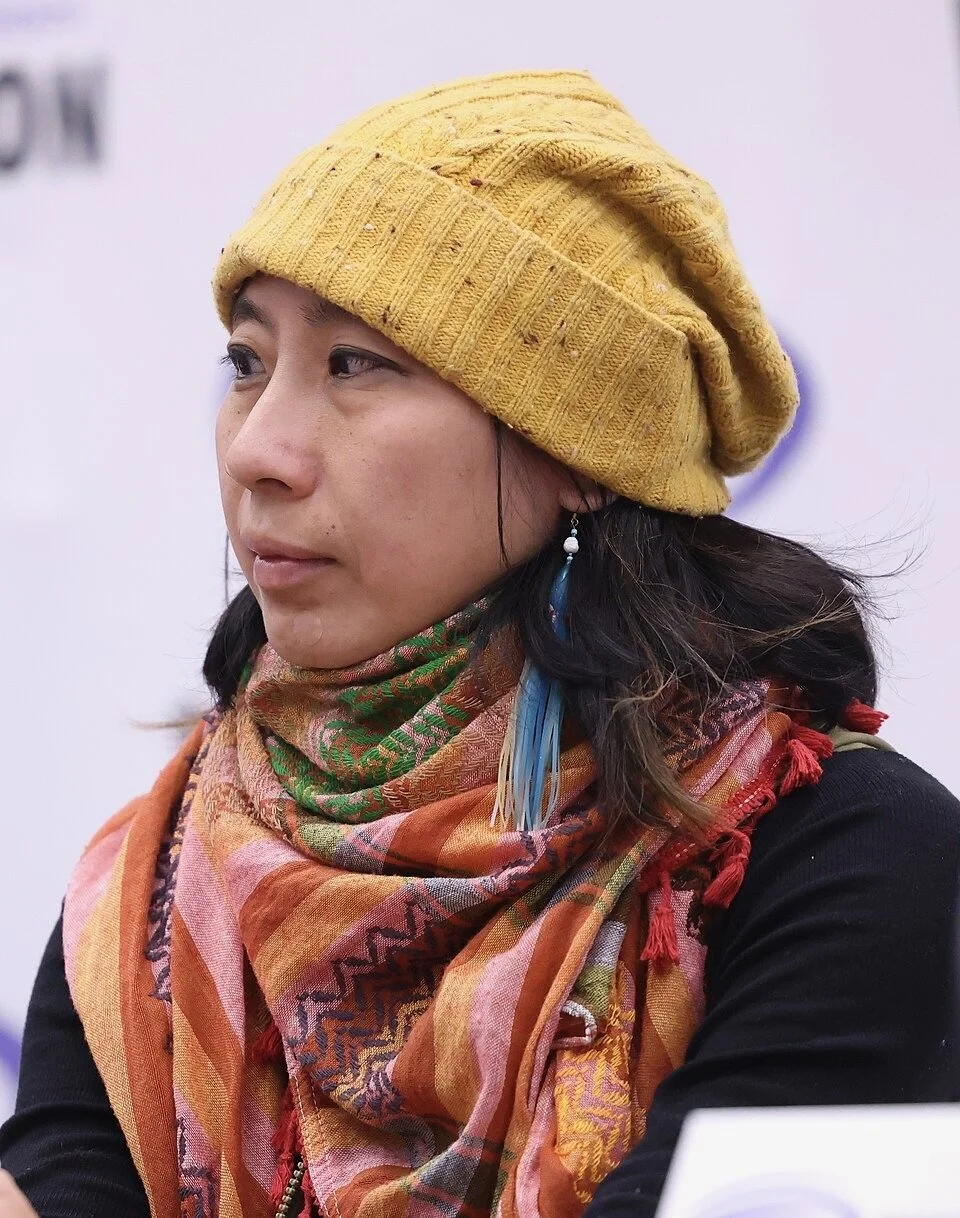
Shing Yin Khor - The Legend of Auntie Po
Reimagining a Legend, Reclaiming Voice
What happens when a familiar American legend is told by someone who has never been fully included in that story?
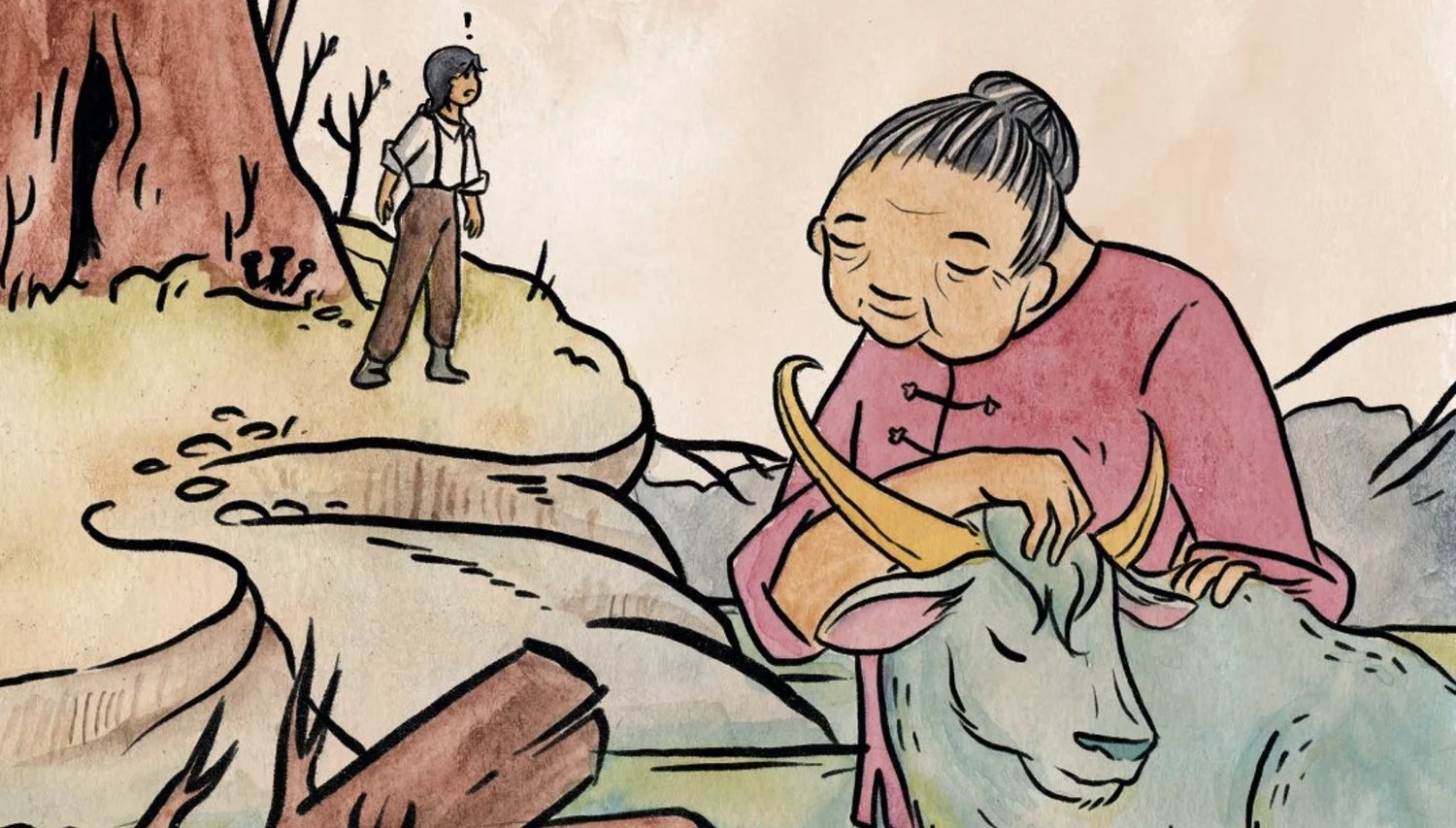
That is the central question at the heart of The Legend of Auntie Po, a graphic novel by Shing Yin Khor.
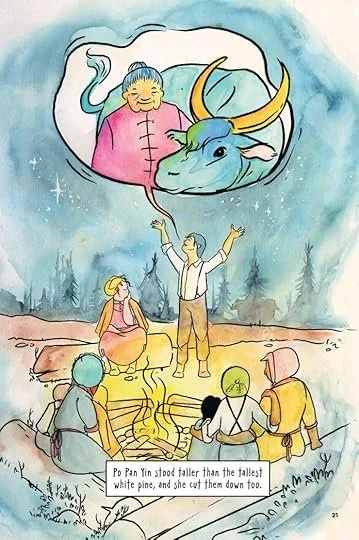
Set in a Sierra Nevada logging camp in the 1880s, during a time shaped by the Chinese Exclusion Act, the story follows Mei, a young Chinese American girl who cooks for the lumberjacks alongside her father. By day, she navigates the realities of exclusion and invisibility. By night, she tells stories. Her stories center on “Auntie Po,” a reimagined version of Paul Bunyan, recast as a Chinese matriarch with immense strength, wisdom, and presence.
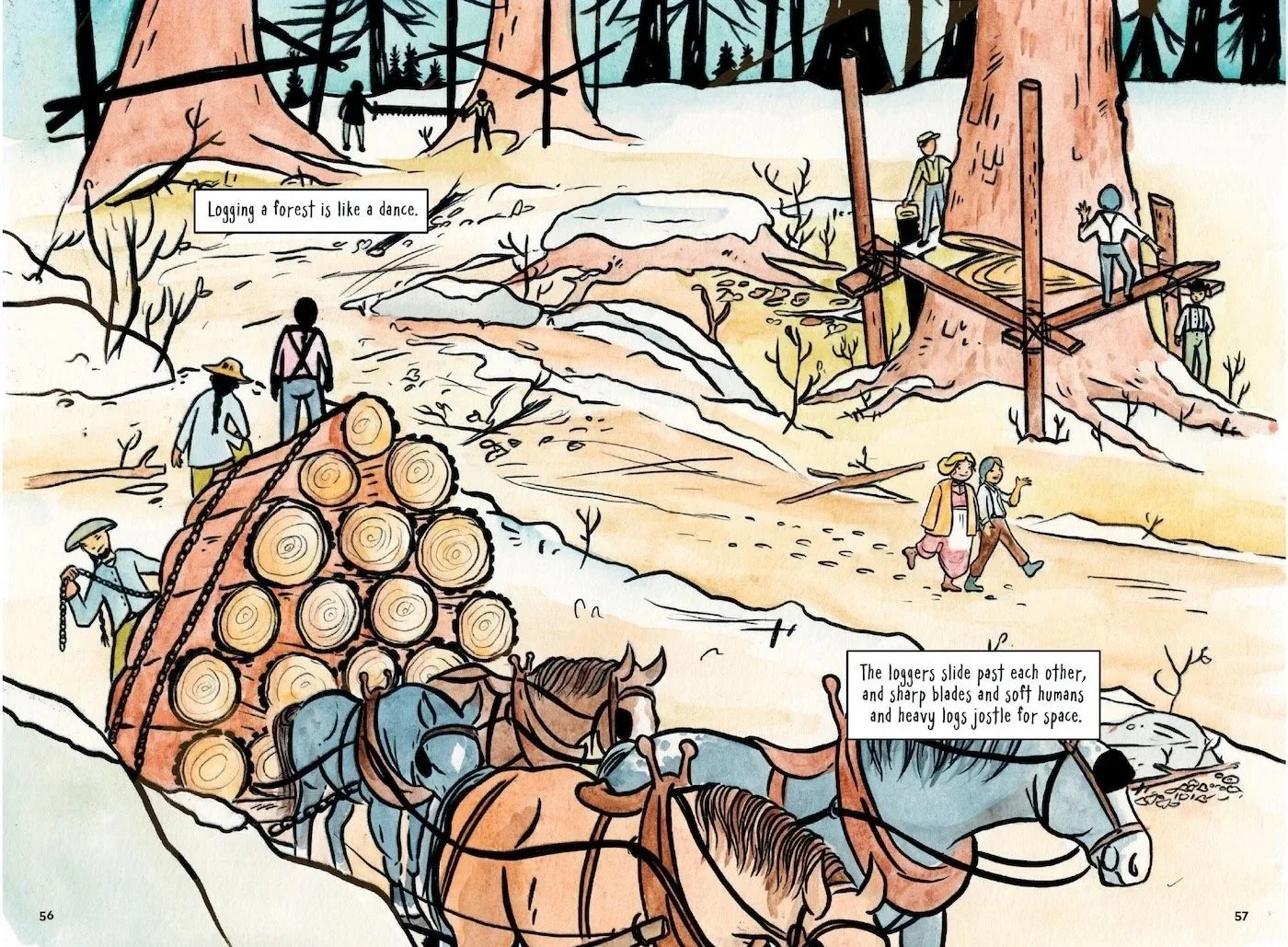
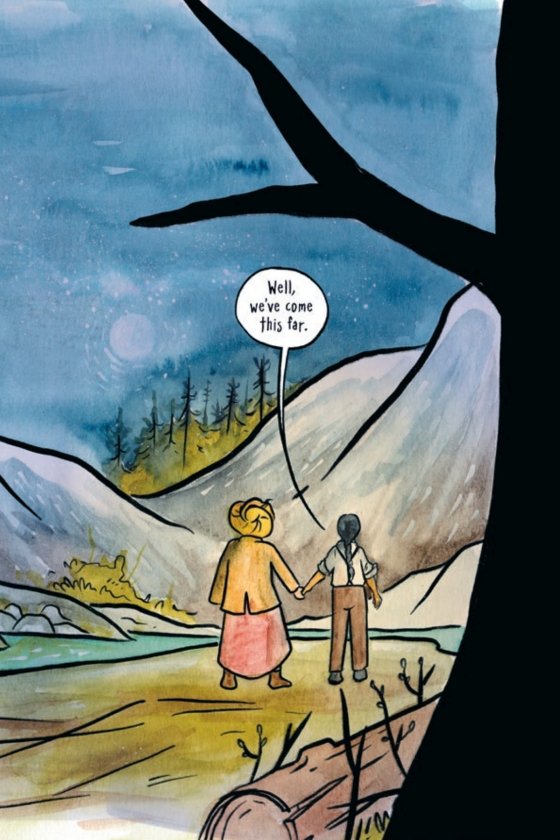
Because Auntie Po is told as a graphic novel, the visual world matters as much as the written one. The interplay between image and text deepens the emotional landscape, allowing what is spoken, imagined, and felt to unfold in layered ways.
Shing Yin’s Story Preservation recording offers a window into how this book came to life, with insight into the process behind creating a graphic novel and the interplay between writing and illustration. Students hear not just the finished story, but the thinking and creative choices that shaped it.
It is in both the story and the process that something essential happens.
Mei takes a legend that has long stood as a symbol of American identity and reshapes it to reflect her own experience. In doing so, she does not reject the legend. She expands it.
Explore the full SPI recording here.
Why this story matters
For students, especially those in middle and high school, The Legend of Auntie Po opens the door to myriad conversations.
It invites them to consider whose stories get told and whose are left out.
It offers a way to think about storytelling not as fixed but as living. Something that can be reshaped, reclaimed, and made more honest.
And through Shing Yin’s recording, students begin to see the creative process itself as something they can enter. A book like this does not simply appear. It is built - image by image, word by word, choice by choice.
In the classroom
This is a book that works on multiple levels, in both form and content.
Students can engage with it as a narrative. They can analyze it as a reinterpretation of folklore. They can study it as a graphic novel, paying attention to how images and text work together. And they can listen to Shing Yin describe how those choices were made.
A few directions for exploration:
How do the illustrations shape your understanding of the story? What do you learn from the images that is not stated in the text?
In what ways does Mei’s version of Auntie Po differ from traditional Paul Bunyan stories? Why might those differences matter?
After listening to Shing Yin discuss the process, what stands out about how a graphic novel is created?
Choose a moment from the book and consider how it might change if it were told only in words, without images.
Awards
Finalist, 2021 National Book Award for Young People's Literature
Winner, 2022 Eisner Award for Best Publication for Teens
Finalist, 2022 California Book Award
2022 ALSC Notable Children's Book
2021 School Library Journal Best Books of the Year
2021 Horn Book Fanfare Selection
About Story Preservation
Our Mission: Story Preservation Initiative believes in the transformative power of story to connect people around our common humanity and create a better future.
Our Work: We are a leading producer and online distributor of original, content-rich audio-based narratives for K-12 students. SPI stories are the raw materials of history, roadmaps to scientific discovery, and windows to the minds of artists and skilled tradesmen and women.
What We Achieve: SPI brings listeners into personal contact with extraordinary people whose stories engage their hearts and minds, imparting content knowledge and fostering curiosity, creativity, and critical thinking as they open doors to possible career paths in professions associated with the arts, sciences, humanities, and skilled trades. We are fully open-source.
When educating the minds of our youth, we must not forget to educate their hearts.
Please consider making a tax-free donation to SPI. We are an open-source educational nonprofit dependent upon the generosity of contributors. Every donation made helps us keep the stories and projects coming.